Summerland, BC · Colour-relief elevation surface · Demonstration capture

A measured volumefor every pile.

Measure your stockpiles without closing the pit or putting anyone on the pile. One flight over the whole yard, and a measured volume back on a turnaround set in writing before we fly. Built the same way every flight, so the numbers track honestly pile to pile and month to month.

  • Gravel pits
  • Aggregate yards
  • Ready-mix
  • Landfills
  • Contractors

Colour-relief elevation surface · Demonstration capture3D surface · measured volume

Who this is for

If you manage material by the pile, this is your count.

Pacing off a pile, climbing it with a GPS rover, or trusting a number from the last truck count all leave room to argue, and the rover method puts a person on an unstable pile to get it. A drone flies the whole yard in one pass, with nobody on the material and the pit still running, and brings back a figure you can put in front of anyone, so this month compares cleanly to last.

PITS

Gravel pits & aggregate

Every product pile counted in a single flight (crushed, screened, washed, and raw feed), with each capture lined up to the last so you can see what came in, what went out, and what's standing as inventory.

READY-MIX

Ready-mix & concrete yards

Sand, gravel, and aggregate stocks measured across the yard at once: a current, repeatable figure for ordering, reconciliation, and keeping the batch plant supplied without guessing.

LANDFILL

Landfills & transfer stations

Cover material, recovered aggregate, and waste cells captured to the same recipe each pass: a dated record of how each pile and face is filling and moving over time, for operations and reporting.

CONTRACTORS

Contractors & earthworks

Topsoil, fill, spoil, and salvaged material on an active job, measured against a base you define, so what's on site is documented for billing, reconciliation, and the next phase.

How it works

From a flight grid to a number you can trust.

A stockpile flight runs the same scope-to-delivery path as every Kendal Ventures project, with one difference that matters here: it repeats exactly on every visit, so month-over-month change is real material, not measurement drift. The volume is calculated from a 3D surface the capture builds, against a base you define.

See how every project runs →

How it reads · Demonstration capture

A measured volume, straight from the model.

Flat, even light and high overlap turn a pile into a clean 3D surface. From that surface, a measured volume comes out: pick the toe of the pile as the base, and the model returns the cubic metres above it. Fly the same pile again next month and the comparison is honest, because both numbers come from the same kind of model.

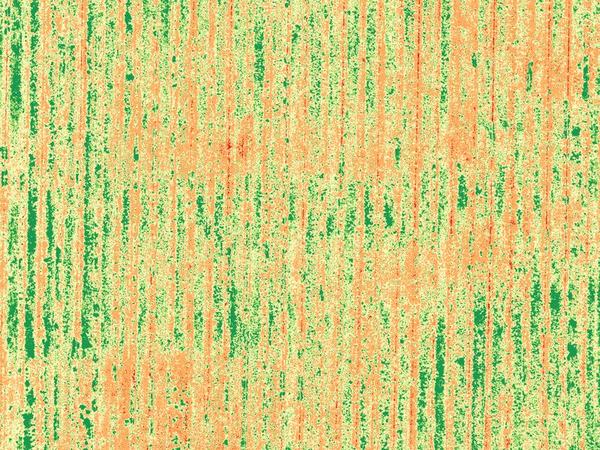
Colour-relief 3D elevation surface from drone photogrammetry, the kind of model a measured stockpile volume is calculated from.

3D · Colour-relief elevation surface · Demonstration capture The surface a volume comes from

  • Demonstration capture
  • Measured volume
  • RTK FIX

The measured volume isn't read off a photo. It's calculated from the 3D model the capture builds, against a base surface you define. That's what makes it repeatable: a re-flight of the same site gives a number you can compare with confidence. Our full-property demonstration twin was flown with RTK positioning and processed in-house at 0.3 cm/px delivered pixel detail, the same workflow a stockpile flight runs on.

What you get

Not just a number. The number, with its working shown.

Measured-volume figures

The cubic-metre figure for each pile, calculated from the 3D model against the base you defined: an inventory and management volume, with the base it was measured against documented alongside it so it can be reproduced.

For yard managers · operations · ownership. Deliverables: per-pile measured-volume figures · documented base

The 3D surface & annotated screenshots

The georeferenced 3D surface the volume came from, plus screenshots that show each pile, its base, and how it was measured, so the figure isn't a black box. Open it, share it, and see exactly where the number comes from.

For ownership · finance · auditors. Deliverables: 3D surface · annotated measurement screenshots

Planning-grade orthomosaic

One continuous top-down image of the whole yard, georeferenced so distances and areas scale true: the base reference layer for laying out stockpile pads, tracking footprint, and seeing the operation at a glance.

For operations · planning. Deliverables: georeferenced orthomosaic · shared client folder

Inventory summary table

Every pile in one table: product, location, and measured volume side by side, all pulled from one capture so the figures line up. A reconciliation-ready summary you can drop into your own records, not a raw data dump.

For finance · reconciliation. Deliverables: per-pile inventory table · shared folder

Period-to-period comparison

On a repeat flight, this capture set against the last from the same vantage and the same base: what came in, what went out, and what's standing now, documented as change rather than two unrelated snapshots.

For operations · ownership. Deliverables: period comparison · before/after surfaces

Everything lands in a shared client folder, with a walkthrough of what the figures actually show. Volumes are inventory and management measurements taken from the 3D model, for planning and tracking. The surfaces and volumes are produced in Virtual Surveyor, licensed professional measurement software we run.

Once, or on a schedule

Count it once, or turn it into a standing inventory program.

A single flight answers "what's on site right now." Flown on a cadence you set, the very same capture becomes an ongoing inventory program: the same yard, the same vantage, the same base, the same workflow, lined up flight after flight so two dates read as one story. You pick the rhythm; we keep the record.

MONTHLY

Monthly counts

A whole-yard count on a monthly cadence: the rhythm that keeps inventory current for an active pit or ready-mix yard, with each flight aligned to the last so movement reads as change, not noise.

QUARTERLY

Quarterly counts

A quarter-by-quarter record of how stocks rise and fall through the season, measured on the same footing each pass, so the trend is real and the figures hold up against your own truck and sales records.

YEAR-END

Year-end inventory

A single, documented whole-yard count for the books at period close: every pile measured against a recorded base on one date, captured for finance and audit.

One visit or an ongoing program, your call on either. Recurring counts land as inventory and management figures you can set against your own books.

Capture to capture

See exactly what moved between two flights.

Fly the same pile or the same yard on two different dates and the captures don't just give you two volumes, they give you the difference between them. Because both surfaces are built the same way against the same base, the model returns a quantified surface-difference: how much material moved, and where it moved on the pile.

DIFF

How much, and where it moved

Set this date's 3D surface against the last and the model measures the change between them: a planning-grade figure for net material added or drawn down, mapped across the pile so you can see which faces grew and which were worked. Not two unrelated snapshots, but one documented difference.

RECORD

A repeatable, recurring record

Run it again next month and the comparison holds, because nothing in the method drifts: same grid, same overlap, same RTK reference, same base. Each capture lines up to the last to build a standing record of how the pile moves over time, for ordering, reconciliation, and operations review.

The surface-difference is a planning-grade figure measured from the 3D model, for inventory, tracking, and operations. It's a reference for what changed, not a certified measurement on its own.

Straight talk on accuracy

What these volumes are, and what they're not.

These are inventory and management volumes, measured from the 3D model the capture builds against a base you define. Flown with RTK positioning on every visit, they're accurate and repeatable for ordering, reconciliation, tracking, and operations, and a re-flight compares against the same datum.

What they're not is a certified, legally binding figure. That's a regulated professional's call, and we say so up front. Where a job needs a certified number, our data is prepared for qualified professional review and supports that work; it doesn't replace it. We publish accuracy figures only once they're measured on a validated checkpoint dataset, not before.

  • RTK positioning on every flight
  • Transport Canada-certified RPAS pilot
  • Captured & processed in-house
  • Summerland, BC

Questions & answers

Stockpile measurement, answered.

How accurate are the volume measurements?

Our volumes are measurements taken from the 3D model the capture builds, against a base you define: accurate and repeatable for inventory, ordering, reconciliation, and tracking, especially over repeat flights with RTK positioning. Where a job needs a legal or certified figure, that's where a regulated professional takes over, and we'll tell you so before we quote. As for a hard accuracy number: we'll publish one when we've measured it on a validated checkpoint dataset, and not a day before.

Why is flying the same way every time such a big deal?

Because comparison is the whole value. A one-off number tells you what's on site today; the real payoff is watching inventory move over weeks and months, and that only holds if the capture method stays fixed between flights. It also gives every figure a paper trail: when a count doesn't square with your scale tickets, or an auditor or a partner asks how a number was produced, you can point to a dated record and the documented base it was measured against.

How do you decide where the base of the pile is?

A volume is always measured against a base, and we hold that base constant, usually the toe of the pile, a yard floor, or a fixed reference plane you specify. We document which base was used for each pile, so the figure can be reproduced and a re-flight measures against the same datum. If you have a preferred reference, we use it; if not, we pick a sensible base and tell you exactly what it was.

Can you measure a whole yard of piles in one visit?

Yes, that's the usual job. One nadir mapping flight covers the whole yard, and every pile in it measures against the same ground reference, so the figures are consistent across the site. You get a per-pile breakdown and an inventory summary table from the single capture, all in one shared folder.

Is this a one-off, or can it run on a schedule?

Either. Fly it once for a point-in-time count, or set it up as an ongoing inventory program on a monthly, quarterly, or year-end cadence: the same yard, the same base, the same workflow each time, so the trend holds up against your truck records. You pick the rhythm. See how recurring capture works or the full questions & answers for turnaround and data ownership.

Further reading: how drone stockpile volume measurement works.

Request a quote

Get a real count on your piles.

Every project starts with a short scoping conversation: your yard, your piles, the base you measure against, and whether you want it once or on a schedule.