Insights
What a drone actually captures, explained plainly.
The data is only useful if you can read it, so here's how to. These are plain-language explainers on what a drone captures and how to hand the results to the right person on the ground. The examples come from the company's own demonstration captures here in the South Okanagan.
Latest explainers
Start with these three.
Three reads on the questions that come up most about drone data: what the colours on a crop map mean, how a volume figure is calculated, and why an explorable 3D model tells you more than a folder of photos.
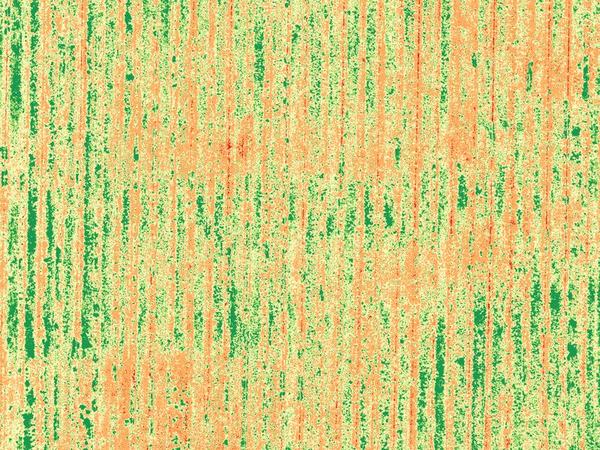 Crop health
What drone multispectral mapping actually shows you in a vineyard
NDVI, NDRE, GNDVI: the indices explained in plain terms, what relative vigor maps can and can't tell you, and how to hand them to your agronomist.

How drone stockpile volume measurement works
From overlapping photos to a volume figure: how a pile gets turned into a 3D surface, why a clean base plane matters, and what a volume number can and can't tell you.

Why an interactive 3D twin beats flat photos
What you gain when you can orbit, measure, and scrub through a property instead of flipping through stills, and where being able to measure off the model actually helps.
More explainers are on the way. Every example you'll read here comes from Kendal Ventures' own demonstration captures here in Summerland, flown and processed in-house.
- Transport Canada-certified RPAS pilot
- Captured & processed in-house
- RTK positioning workflow
- Summerland, BC
Request a quote
Have a property or project in mind?
Reading about this is one thing. Flying your own property is where it gets useful. Every project starts with a short scoping conversation: what you need, and exactly what you'll receive.